

Dentures are an important part of oral care for many people who have lost some or all of their natural teeth. Tooth loss can affect chewing ability, speech, facial appearance, and everyday comfort, which is why replacement options often play an important role in restoring daily function.
While dentures are often associated with replacement teeth alone, modern dentures in Encino options are designed to support comfort, function, and appearance while addressing different levels of tooth loss and support needs.
Understanding the differences between denture types can help patients make more informed decisions about their long-term oral health. From full dentures to implant-supported options, each approach offers different considerations related to comfort, appearance, and lifestyle.
This guide explains the major denture options available and outlines the factors dentists evaluate when recommending treatment.
Here is the Quick Answer:
Dentures are available in several forms, including full dentures, partial dentures, implant-supported dentures, and overdentures. Each option differs in support method, stability, maintenance needs, and suitability based on oral health and remaining teeth.
Choosing the right denture depends on factors such as jaw support, gum condition, lifestyle expectations, and long-term restorative goals. A dentist-led evaluation can help determine which approach aligns best with individual needs.
What are dentures and who needs them?

Dentures are removable dental prosthetics used in restorative dentistry to replace missing teeth and surrounding oral structures.
Tooth loss may result from decay, gum disease, trauma, or aging-related dental changes, and dentures can be designed to replace either a few missing teeth or an entire dental arch. In addition to restoring appearance by filling visible gaps, dentures help support chewing, speaking, and facial structure after tooth loss.
Depending on a patient’s oral health needs, dentures may serve as temporary restorations or long-term tooth replacement solutions.
Full Dentures: Complete Tooth Replacement

Full dentures are exactly what they sound like – a complete set of upper and lower false teeth.
Full dentures are typically used when all natural teeth in the upper arch, lower arch, or both arches are missing. In addition to restoring appearance, full dentures can also help support chewing, speech, and general oral function after significant tooth loss or procedures such as full mouth reconstruction.
Upper dentures often receive additional support from natural suction against the roof of the mouth, which may help improve retention. Lower dentures can sometimes feel less stable because of tongue movement and changes in jaw position during speaking or eating.
Many patients experience an adjustment period as the mouth adapts to wearing dentures, particularly during eating and speech.
While full dentures can restore important daily functions, they may still require periodic adjustments as oral tissues change over time.
Partial Dentures: Replacing Missing Teeth While Preserving Natural Ones

Partial dentures are a great option for those who still have some natural teeth that can be salvaged. They are removable appliances that attach to the remaining natural teeth and replace the missing ones.
These dentures are commonly supported using metal clasps or precision attachments connected to existing teeth for added retention.
Partial dentures are designed to integrate visually with surrounding teeth while helping restore gaps caused by tooth loss. They are generally considered for patients who still have healthy remaining teeth and enough support for the appliance to function properly.
Ongoing maintenance is important because the remaining natural teeth continue to support the denture structure. Regular monitoring and proper cleaning help reduce strain on supporting teeth and surrounding oral tissues over time.
Implant-Supported Dentures: The Most Stable Denture Option

For those seeking an even more secure solution, implant-supported dentures may be the best choice. These types of dentures utilize dental implants that are surgically placed into the jaw bone, providing a strong foundation and stability for the false teeth.
Implant-supported dentures are anchored using dental implants placed within the jawbone to help improve denture retention and reduce movement.
Compared with conventional removable dentures, this structure may provide greater stability during daily function.
Implant-supported dentures are designed to improve stability during eating and speaking by reducing denture movement compared with conventional removable dentures.
Because the denture is supported by implants, many patients experience stronger chewing function and less movement while eating.
Long-term benefits may include continued bone stimulation and reduced slipping concerns over time.
However, candidacy depends on factors such as oral health, bone support, and the ability to undergo a surgical procedure.
Overdentures: Added Stability with Natural Teeth or Implants

Overdentures are a great option for those who have some remaining natural teeth but need additional support for their full or partial dentures. This type of denture fits over the existing natural teeth, providing extra stability and helping to keep them in place securely.
Depending on the patient’s condition, overdentures may rely on either remaining teeth or implant support for stability. In tooth-supported overdentures, the remaining natural teeth help support the denture structure and improve retention. In other cases, overdentures may attach to dental implants to provide additional support when natural teeth are no longer available.
Overdentures are often considered for patients seeking more retention than conventional removable dentures while still maintaining a removable design.
This approach provides a balance between removability and added retention without making the denture permanently fixed in place.
Comparing Denture Types: Comfort, Stability, and Maintenance
Different denture options can vary in how they feel, function, and require ongoing care in daily life.
Removability: Conventional dentures are fully removable, while implant-supported options may provide a more fixed-feeling experience with less movement during daily activities.
Speech impact: Many patients experience a short adjustment period with speech, particularly when first wearing removable dentures or adapting to changes in mouth shape.
Eating comfort: Denture stability can influence chewing efficiency, with options that have additional support often showing less movement during eating.
Daily care needs: All dentures require regular cleaning, though care routines may differ depending on whether the appliance is fully removable or connected to existing support structures.
Quick Comparison Table
The table below summarizes some of the main functional and maintenance differences between common denture options. Individual experiences can vary depending on oral anatomy, fit, and support structures.
| Factor | Full Dentures | Partial Dentures | Implant-Supported Dentures | Overdentures |
| Removability | Fully Removable | Removable with Tooth Support | More Fixed Feeling | Removable with Added Support |
| Speech Impact | Short Adjustment Period | Adapts Around Natural Teeth | Less Movement During Speech | Improved Speech Retention |
| Eating Comfort | Less Stable During Chewing | Depends on Tooth Support | More Stable During Chewing | Added Chewing Support |
| Daily Care Needs | Daily Removal and Cleaning | Cleaning Around Teeth and Denture | Implant and Denture Cleaning | Cleaning Based on Support Type |
Which Type of Denture Is Best for You?
The best type of denture for you will depend on several factors including your overall oral health, lifestyle, and budget. Denture selection is highly individualized, and no single option is appropriate for every patient.
Dentists evaluate several factors to help determine which type of denture may provide the most appropriate long-term function and support.
Oral Health: The condition of the gums and any remaining natural teeth can influence which denture approaches are suitable. Existing dental problems may also need treatment before denture placement.
Bone Density: Jawbone support may affect denture stability and the ability to consider options connected to implants. Bone volume can gradually change after tooth loss over time.
Lifestyle: Daily eating habits, speaking expectations, and willingness to adapt to different care routines can influence denture selection. Long-term maintenance needs should also be considered during treatment planning.
Budget Considerations: Treatment costs can vary depending on the complexity of care, materials used, and whether additional procedures are required. Long-term adjustments and follow-up care may also affect overall treatment planning.
Choosing Dentures in Encino with Dr. Kiai
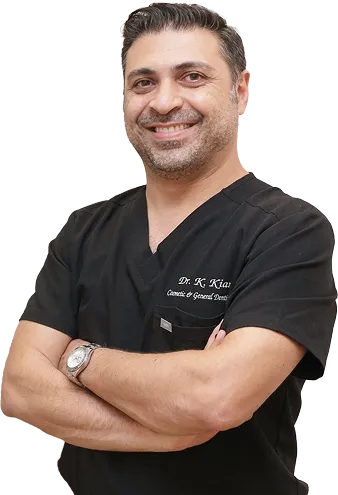
At Encino Dental Esthetics, Dr. Kiai evaluates factors such as oral health, remaining teeth, jaw support, and overall treatment goals before recommending a denture approach. Treatment recommendations are individualized to help align restorative planning with each patient’s functional and aesthetic needs.
Digital impressions may help improve denture planning precision and overall fit during the restorative process. Dr. Kiai and the team at Encino Dental Esthetics also provide long-term follow-up care to monitor comfort, assess fit changes, and make adjustments when needed as oral structures change over time.
Conclusion
Several denture options are available, and the most appropriate choice depends on factors such as oral health, comfort expectations, and long-term function. Treatment planning may also be influenced by remaining teeth, jaw support, and overall restorative goals. Because denture needs can vary significantly between patients, professional evaluation plays an important role in guiding treatment decisions.
Booking an appointment can help determine which denture approach best aligns with your oral health needs and long-term expectations.