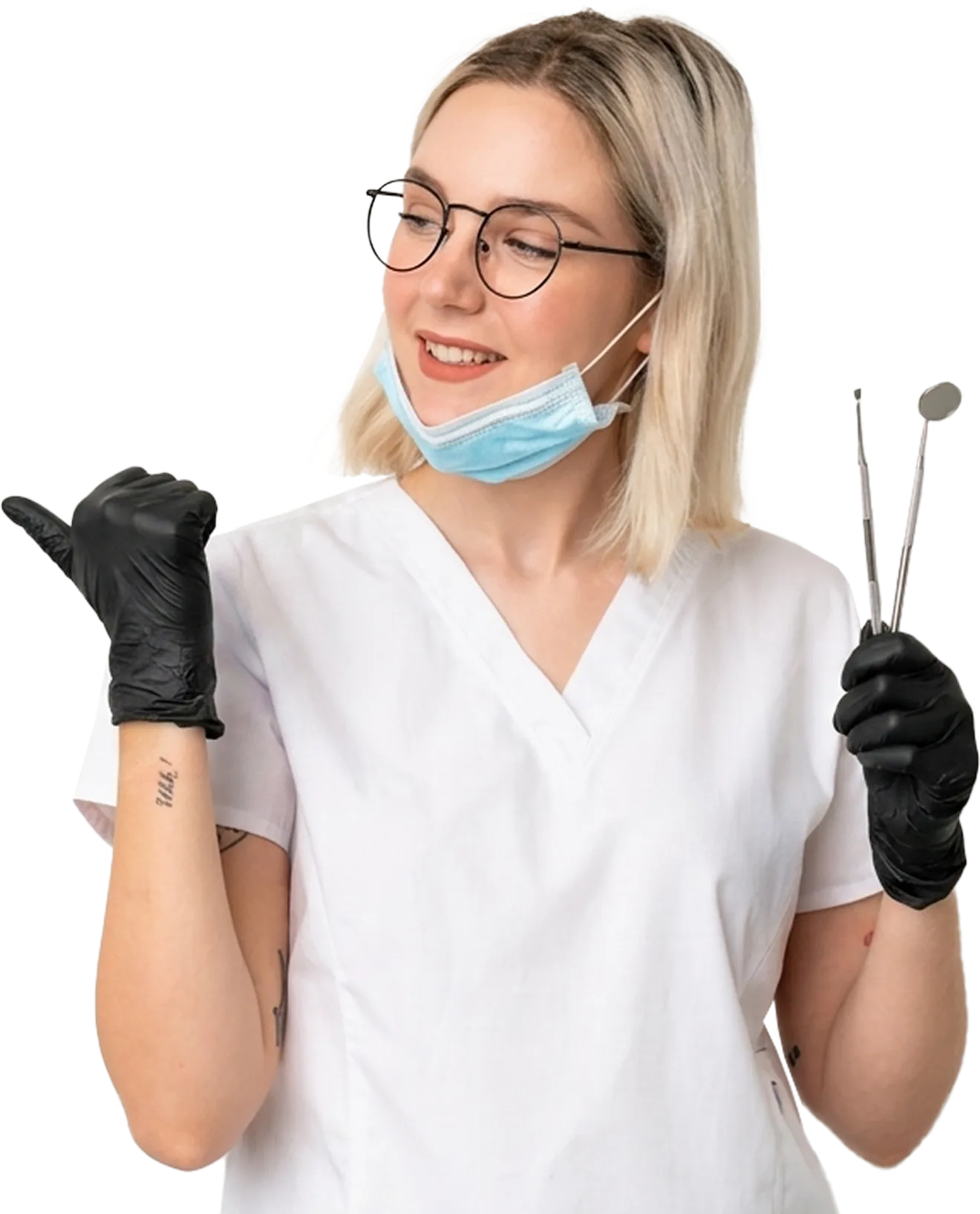


Many people seek teeth whitening to improve the appearance of discoloration and achieve a brighter smile. At the same time, there is growing concern about how whitening methods may affect enamel and lead to sensitivity if not used appropriately. Choosing the right approach requires understanding both effectiveness and potential impact on tooth structure.
This guide compares safe teeth whitening methods, including professional, at-home, and natural approaches, with a focus on enamel protection and practical use. It outlines which approaches are generally considered more controlled versus those that may carry additional risks, based on dentist-informed guidance. Outcomes can vary depending on enamel condition, product strength, and how treatments are used over time. These considerations reflect common whitening protocols used in clinical cosmetic dentistry, including approaches applied at Encino Dental Esthetics.
Here is the Quick Answer:
Safe teeth whitening depends on choosing the right method and using it correctly, with attention to enamel protection and sensitivity. Different approaches vary in strength, speed, and suitability.
Professional guidance helps align treatment with enamel condition and goals, while overuse or improper methods may increase sensitivity. Results vary based on habits and individual response.
How Teeth Whitening Works (And What Can Damage Enamel)

Tooth discoloration can be categorized into surface (extrinsic) stains and deeper (intrinsic) discoloration. Surface stains typically develop from external factors such as food, drinks, or smoking and are located on the outer enamel layer, making them more responsive to whitening. Intrinsic discoloration occurs within the tooth structure and may be less responsive, often requiring more controlled approaches.
Most whitening treatments rely on peroxide-based agents, such as hydrogen peroxide or carbamide peroxide, which break down stain molecules into smaller, less visible components. While effective, higher concentrations or repeated use may increase the likelihood of sensitivity, which is why controlled application and appropriate product selection are important for maintaining enamel safety.
Professional Teeth Whitening: Safest and Most Effective Option
Professional teeth whitening uses controlled bleaching agents under dentist supervision to improve tooth shade more efficiently and consistently than unsupervised methods.
Professional teeth whitening is performed under dentist supervision, using controlled, higher-concentration agents that are carefully applied and monitored. This level of oversight allows adjustments during the procedure and helps reduce unnecessary exposure, which is why it is often included within broader cosmetic dentistry planning.
Results are typically achieved more quickly and with greater consistency compared to unsupervised approaches, although outcomes can vary by individual. The controlled application and clinical evaluation support a safer process, with treatment suitability depending on enamel condition and the patient’s whitening goals.
At-Home Teeth Whitening Kits: Safety, Results, and Limits

At-home whitening options typically include tray-based systems and adhesive strips, each differing in how the whitening agent is applied and how evenly it covers the teeth. Trays tend to provide more uniform contact across tooth surfaces, while strips are easier to use but may not fully adapt to individual tooth shapes.
Proper use is essential, including following instructions carefully and avoiding extended or repeated applications beyond recommendations. These kits are generally more suitable for mild to moderate staining and for individuals seeking gradual improvement, often supported by routine care such as teeth cleaning.
Results can vary depending on enamel condition, and outcomes may be less consistent without professional monitoring.
How to Whiten Teeth Without Damaging Enamel
Using whitening products carefully and consistently can help reduce the risk of unwanted side effects.
➤ Limit how often you whiten your teeth and avoid repeated or continuous use beyond recommended intervals.
➤ Be aware of product strength, as higher concentrations may increase the likelihood of sensitivity if not used appropriately.
➤ Stop whitening if you notice persistent sensitivity or gum irritation, and consider professional evaluation if symptoms continue.
Natural Teeth Whitening Remedies: What Works and What Dentists Avoid
Some natural teeth whitening remedies are commonly used, but their effectiveness and safety can vary significantly. While certain options may help reduce surface stains in limited use, others may pose a risk to enamel if used improperly or too frequently.
➤ Baking soda (limited use): Baking soda can help remove surface stains due to its mild abrasiveness, but frequent use may wear down enamel over time.
➤ Lemon and vinegar (why unsafe): These acidic substances can weaken enamel and increase sensitivity, making them unsuitable for regular whitening use.
➤ Charcoal (myth clarification): Charcoal-based products are often marketed for whitening, but evidence is limited, and their abrasive nature may contribute to enamel wear with repeated use.
Dental Bleaching Techniques Explained (Hydrogen vs Carbamide Peroxide)

Different bleaching agents are used in teeth whitening, each with distinct characteristics that influence how results develop.
Hydrogen Peroxide
Hydrogen peroxide is a faster-acting bleaching agent that works over a shorter period of time. It is often used in higher-concentration settings where quicker visible changes are expected. Due to its rapid activity, it may be associated with increased short-term sensitivity in some individuals.
The intensity of its effect can vary depending on concentration and individual enamel response.
Carbamide Peroxide
Carbamide peroxide breaks down more slowly, releasing hydrogen peroxide over time. This allows for a more gradual whitening process, which may be better suited for extended use. It is often associated with lower intensity sensitivity compared to faster-acting agents.
Results tend to develop more progressively, depending on duration and consistency of use.
The longevity of whitening results can vary with both agents, depending on how they are used and individual factors such as enamel condition and lifestyle habits.

Alternatives to Teeth Whitening for Severe Discoloration
In cases where discoloration does not respond to whitening, alternative cosmetic options may be considered to improve tooth appearance.
➤ Veneers are thin, custom-made shells that are bonded to the front of your teeth. They may be considered for deep staining or surface irregularities that cannot be corrected through whitening alone.
➤ Bonding is a procedure in which a tooth-colored resin is applied to the surface of your teeth and then hardened with a special light. It can be used for localized discoloration or minor structural concerns affecting appearance.
➤ A tooth crown is a custom-made cap that covers the entire surface of a tooth. Crowns may be appropriate when discoloration is combined with structural damage or extensive wear.
Safe Teeth Whitening in Encino: Dentist-Guided Options with Dr. Kiai

At Encino Dental Esthetics, treatment planning begins with an individualized assessment of enamel condition and the type and depth of discoloration. Dr. Kiai tailors recommendations based on these findings, ensuring that the chosen approach aligns with each patient’s specific oral characteristics.
A detailed enamel evaluation is completed before treatment to determine suitability and reduce unnecessary risk. Throughout the process, professional monitoring allows adjustments based on how teeth respond, supporting a controlled, dentist-led approach within Encino Dental Esthetics.
Conclusion
Safe teeth whitening depends on selecting an appropriate method and using it correctly, with enamel protection as a central consideration. Different approaches may be suitable for different levels of discoloration, and outcomes can vary based on individual enamel condition and daily habits. A balanced, informed approach helps maintain results while minimizing unwanted effects.
Booking an appointment at Encino Dental Esthetics can help determine which option aligns with your oral health needs.