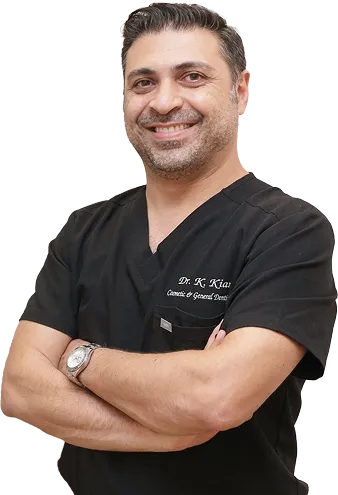


Reviewed by Dr. Kaivan Kiai, DDS · Updated October 2026
Dental implants can be worth considering if you want a fixed replacement for a missing tooth without using neighboring teeth for support. They can last many years with good care, but they involve surgery, healing time, ongoing maintenance, and costs that are worth comparing with a bridge or partial denture.1, 2
A single-tooth dental implant replaces the root with a post in the jawbone; a connector called an abutment supports the crown above it. Whether that investment makes sense depends on your bone, gums, neighboring teeth, budget, and priorities. A bridge or partial denture may be a better fit.3
Here is the Quick Answer:
An implant offers independent support for a replacement tooth and may serve you for many years. Weigh that against the full treatment plan: surgery, possible grafting, several months to the final tooth, maintenance, and potential repairs. Compare complete estimates and ask what each option would mean for your other teeth. 1 3
What Dental Implants Do Well

If you are replacing one missing tooth, an implant offers several practical benefits. Successful healing and daily care help you maintain those benefits over time.
- Support the jawbone at the replacement site. An implant takes the place of the root and can help limit bone shrinkage, although it does not prevent every future bone change.1
- Avoid preparing adjacent teeth for support. A single implant crown does not require the neighboring teeth to be cut down as a conventional tooth-supported bridge may.2
- Provide a fixed chewing surface. The crown stays in place during meals and daily care. Restoring the gap can also help speech, depending on which tooth is missing.4
- Allow familiar daily care. Brushing and cleaning around the restoration remain central, although access may require a specific tool or technique. An implant is not maintenance-free.3

The Trade-Offs Nobody Mentions in the Brochure

An implant decision should include the work involved before and after placement. Ask about the entire course of treatment, including temporary teeth and follow-up, rather than judging it by the placement visit alone.
It Takes Months, Not Weeks
Implant placement and a finished replacement tooth are different milestones. The bone needs time to bond with the post through osseointegration; the final crown follows when the site is ready. Treatment commonly spans several months, and staged grafting can extend it.5
Our step-by-step implant guide explains the stages. Ask what temporary replacement, if any, is suitable while you heal.
It Involves Surgery
Placement is commonly performed with local anesthesia to numb the area. Soreness, swelling, and bruising can follow, and recovery varies with the extent of treatment. Potential complications include infection, nerve injury, or sinus problems in some upper-jaw sites. Discuss your specific risks and recovery needs before deciding.5
The Upfront Cost Can Be Higher
An implant may cost more initially than another replacement option, especially when additional surgery is needed. However, a single implant and a conventional bridge can have comparable costs in some cases. Compare itemized estimates rather than assuming a universal price ranking or guaranteed lifetime savings.3
Not Everyone Is a Candidate Straight Away
You may need to address gum disease or rebuild bone before placement. Some health conditions or medicines also affect planning. Needing treatment first does not necessarily rule out an implant, but it may add time, appointments, and cost.6
Implants Can Fail
An implant may fail to integrate or lose supporting tissue later. Smoking and untreated gum disease can increase the risk. If you grind or clench your teeth, tell us so we can discuss how this may affect your implant and its care. A loose crown is not necessarily a failed implant post, but either problem needs attention.1
If you smoke, discuss your use openly and review the effect of smoking on dental implants before treatment planning.
Who Implants Suit, and Who Might Choose Something Else

Both the clinical findings and your preferences matter. Use these points to prepare questions, rather than to decide your own eligibility.
An implant may fit your priorities when:
- The neighboring teeth are healthy and you want to avoid using them as bridge supports.
- You prefer a fixed replacement and are comfortable having surgery.
- You can accommodate healing visits and ongoing maintenance.
- The overall estimate fits your budget, including any preparatory treatment.
A bridge or removable partial may fit better when:
- Neighboring teeth already need crowns and can provide suitable support.
- Avoiding implant surgery is a priority or a clinical requirement.
- A removable option suits the number and arrangement of missing teeth.
- The proposed implant timeline or expense does not work for you.
A dental bridge can provide a fixed replacement supported by teeth. Dentures and partials are removable options that can replace several teeth. Both can be suitable choices, depending on your remaining teeth, oral health, budget, and preferences.7
Implants and dentures are not mutually exclusive, either: selected patients use implants to support a removable denture. This involves a different plan from a single implant crown.3
What Affects the Cost of a Dental Implant

A useful estimate covers the completed replacement and any preparation it needs. Ask whether the following are included or billed separately:
- Removing the tooth: Whether a tooth extraction is needed before replacement.
- Preparing the bone: Whether bone grafting or a sinus lift is part of the plan.
- Number of teeth and implants: A single crown, implant bridge, and implant-supported denture have different requirements.
- Restorative components: The post, abutment, crown material, and laboratory work.
- Other necessary care: Gum treatment, imaging, temporary teeth, and follow-up appointments.
When grafting is proposed, ask how it changes both the estimate and the schedule. Our bone graft recovery guide covers that recovery separately.
Insurance and Benefits
Coverage depends on the policy. Ask the insurer to check the proposed procedures, deductible, remaining annual maximum, exclusions, and any pre-treatment requirements. A bridge and an implant may be covered differently; an estimate of benefits is not a guarantee of payment.8
Many plans do not carry unused benefits into the next plan year, but reset dates and rollover rules vary. Check your own policy, and let clinical healing needs guide the schedule rather than rushing treatment to meet a benefits deadline.9
For more information, see our guide to using your dental insurance benefits before they expire.
Payment Options at Encino Dental Esthetics
We accept credit and debit cards and offer Affirm financing for eligible patients. If you’re considering financing for your implant treatment, ask us about the available options. Before choosing a plan, review the interest, repayment terms, and total amount you would pay.10, 11
Patients without dental insurance may also ask whether the Encino Dental Esthetics Advantage Membership Plan offers savings applicable to their recommended treatment.
How Long Do Implants Last, and What Care Do They Need?

The implant post can remain functional for many years. The crown above it is a separate component: it can wear, chip, loosen, or need replacement while the post remains usable. A long-lasting implant therefore does not mean a lifetime without maintenance or repair.2
Leeds Teaching Hospitals reports that about 90% of dental implants remain present and functional 10 years after placement. Individual outcomes vary, and the crown may require repair or replacement sooner.2
After healing, protect that investment through:
- Daily brushing and cleaning around the implant crown.
- A tool that reaches the spaces around your restoration; our floss and interdental-tool guide explains the options.
- Professional examinations and cleanings at the interval recommended for your risk.
- Reporting bleeding, swelling, discharge, persistent discomfort, or movement.
- Discussing tobacco use and grinding so the maintenance plan accounts for them.
Peri-implantitis is inflammation with loss of supporting bone around an implant. It can develop after the original healing period, so healthy-looking teeth elsewhere do not remove the need for implant checks.2 See habits that affect implant longevity for related maintenance considerations.
Am I a Candidate?
An assessment considers the available bone, gum health, neighboring teeth, bite, and access for cleaning. X-rays and, when appropriate, three-dimensional imaging help evaluate the site and nearby anatomy. Medical history, medications, smoking, and grinding also belong in that discussion.5
Active disease may need periodontal treatment first. Limited bone may be addressed with bone grafting, but a graft is not suitable or necessary in every case. Ask what the added procedure would achieve and how the alternatives compare.6
What Happens at an Implant Consultation in Encino

Your consultation is a chance to discuss whether an implant fits your needs and what treatment would involve. Tell us what matters most to you, whether that is treatment time, cost, or avoiding surgery. Before deciding, ask us for a written plan and itemized estimate covering the treatment stages, timing, any temporary tooth, and follow-up care.
Dr. Kaivan Kiai, DDS earned his dental degree from the Herman Ostrow School of Dentistry of USC and a bachelor’s degree in biology from USC. During your consultation, we explain the findings and discuss your treatment options in relation to your oral health and goals.12
Bring your insurance details, medication list, and any questions about surgery, recovery, or cost. Ask us how an implant compares with a bridge or partial denture for your mouth.
Considering dental implants? Request a consultation with us to discuss your options and what each would involve for your teeth, timeline, and budget.
Sources
- FDA — Dental Implants: What You Should Know
- Leeds Teaching Hospitals — Dental Implants
- American College of Prosthodontists — Dental Implants FAQs
- Cleveland Clinic — Dental Implants
- Mayo Clinic — Dental Implant Surgery
- American Academy of Periodontology — Dental Implant Procedures
- ADA MouthHealthy — Bridges
- ADA MouthHealthy — Choosing the Right Dental Plan
- ADA MouthHealthy — Using Dental Benefits
- Encino Dental Esthetics — New Patients
- Encino Dental Esthetics — Routine Dental Care
- Encino Dental Esthetics — Meet Dr. Kaivan Kiai